Short answer: If floodwater gets in, switch off at the consumer unit only if you can reach it without standing in water. Keep away from wet sockets and do not use mains appliances. Before the power goes back on, a registered electrician should test every affected circuit. When rewiring, ask for sockets and the consumer unit to go higher.
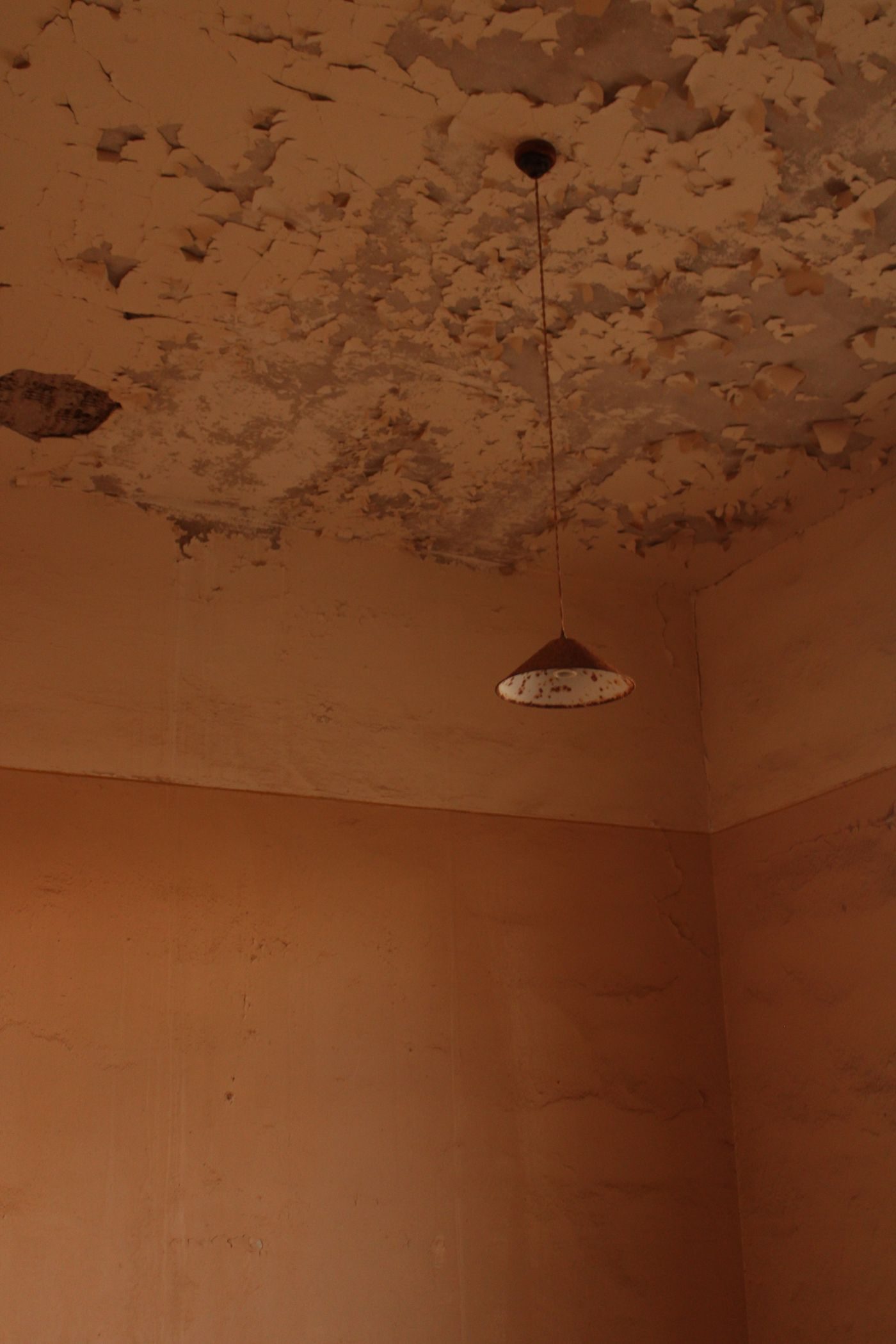
London does not tend to think of itself as a flood city. July 2021 changed that for a lot of people. On 12 and 25 July, two extreme storms hit the capital. The Greater London Authority’s flooding roundtable report says some parts of London received more than twice the average July rainfall in just two hours. The Environment Agency’s look back five years on says the floods affected 24 boroughs and more than 2,000 properties, including homes, businesses, hospitals, schools and Underground stations.
Many of those homes had water at socket height. This guide covers what to do with your electrics during and after a flood, and how to wire a home so the next flood does less damage. For testing and making safe, see our electrics after a leak or flood page.
During the flood
Flash floods come in fast. Water can rise through floor vents and drains, or pour in under doors, within minutes. The priorities:
- Get people safe first. Move upstairs if you need to.
- Switch off at the consumer unit, only if it is safe. If you can reach it without standing in water, switch off the main switch. If the consumer unit is already wet, or you would have to wade to it, leave it.
- Unplug what you can reach safely. Move portable appliances away from the water, but not if they are already wet or the floor is wet around them.
- Keep away from wet sockets and exposed wiring. Treat them as live.
- If the meter or main fuse is under water, call 105. That equipment belongs to the network operator and supplier. 105 connects you to the right one for your postcode.
Electrical Safety First’s advice after a flood says the same: switch off at the consumer unit only if it is safe, avoid using mains powered appliances until a registered electrician says they are safe, keep away from exposed wiring, and never try your own repairs or temporary supplies.
After the water goes down
The worst mistake after a flood is switching everything back on to see what works. Water leaves mud and moisture inside sockets and cables. A circuit that seems fine for an hour can then fail and overheat.
What should happen:
| Step | What it involves |
|---|---|
| Isolate | Every circuit that was in or near the water stays off |
| Inspect | Sockets, switches, back boxes, junction boxes and the consumer unit are opened and checked by an electrician |
| Replace | Anything that was under water is usually replaced: sockets, switches, fused spurs, outdoor fittings |
| Dry | Circuits are left to dry, sometimes for days, with dehumidifiers running from unaffected circuits or a temporary supply set up by an electrician |
| Test | Insulation resistance and other tests confirm the circuit is safe before it goes back on |
| Certify | You should get written results. Your insurer will ask for them |
If the consumer unit itself was in water, it will almost certainly need replacing. In England, replacing a consumer unit is notifiable work under Part P of the Building Regulations. The Approved Document P guidance lists it. A registered competent person can self certify it. Otherwise it has to go through your council’s building control. Our guide on why new consumer units are metal explains what a new board will look like.
Appliances
Anything with a motor, heater or circuit board that sat in floodwater should be checked before use, and many will be written off. That includes washing machines, fridges, boilers with electrical controls, and anything plugged in at floor level. Do not dry them out and try them.
Wiring for the next flood
The most useful thing to come out of a flood is a home that copes better next time. Electrical Safety First suggests asking the electrician whether new equipment, such as the consumer unit and sockets, can be raised above any expected flood level. In practice that can mean:
- Moving ground floor sockets higher up the wall
- Running ground floor circuits down from the ceiling rather than up through the floor
- Putting ground floor sockets on their own circuit with its own RCD, so a wet floor does not take out the whole house
- Raising the consumer unit, if it is low in a cupboard or under the stairs
- Choosing outdoor fittings suited to wet conditions, with cable entry from below
Some of this is cheap to do while walls are already stripped back for drying. It is much harder to do once the room has been redecorated.
Kingston and the river
Kingston upon Thames is one of the places in London where flooding is not only about storms. Low lying homes near the Thames and the Hogsmill have river flood risk as well as surface water risk.
The housing there mixes very different ages. The VOA’s housing stock figures show that 21% of Kingston’s homes were built before 1919, 34% between 1919 and 1939, and 42% of all homes are flats or maisonettes. That covers Victorian villas in Surbiton, interwar semis in New Malden, Tolworth and Berrylands, and riverside flats in the town centre.
Ground floor flats and older houses with sockets in the skirting board take the most damage. If you live in Kingston and your home has flooded before, raising the electrics is worth discussing at your next rewire or consumer unit change.
Smaller floods count too
Not every flood is a storm. A burst pipe, a washing machine hose or a leak from the flat above can do the same damage to one room. The same rules apply: switch off safely, stop the water, test before switching back on. Our guide on water leaking through a light fitting covers leaks from above.
Next step
If water has reached your sockets, wiring or consumer unit, keep those circuits off and request a visit through our leak and flood electrics service. The price is confirmed after a look at the job.
Quick questions
Can I switch the power back on once the water has gone?
Not until the circuits have been tested. Water leaves silt and moisture inside sockets, back boxes and cables. An insulation resistance test shows whether current is leaking. Until then, keep the affected circuits off.
Do flooded sockets always need replacing?
Sockets and switches that have been under water are usually replaced, because dirt and corrosion stay inside them. Cables may survive if they test well once dry, but the electrician will judge that on the day.
Should my consumer unit be moved higher?
If your home has flooded before or sits in a flood risk area, it is worth asking. Electrical Safety First suggests asking whether new equipment such as the consumer unit and sockets can be raised above expected flood level.
Last updated 23 October 2026. Written for homes in London. Rules can change, so check the linked sources for the latest position.