Short answer: Make it safe first: switch off at your consumer unit if you can avoid the water, and get the leak stopped. Who pays depends on your lease and insurance. Usually the wiring inside your flat from your meter is yours, communal parts are the freeholder's or managing agent's, and the supply up to the main fuse is the network operator's.
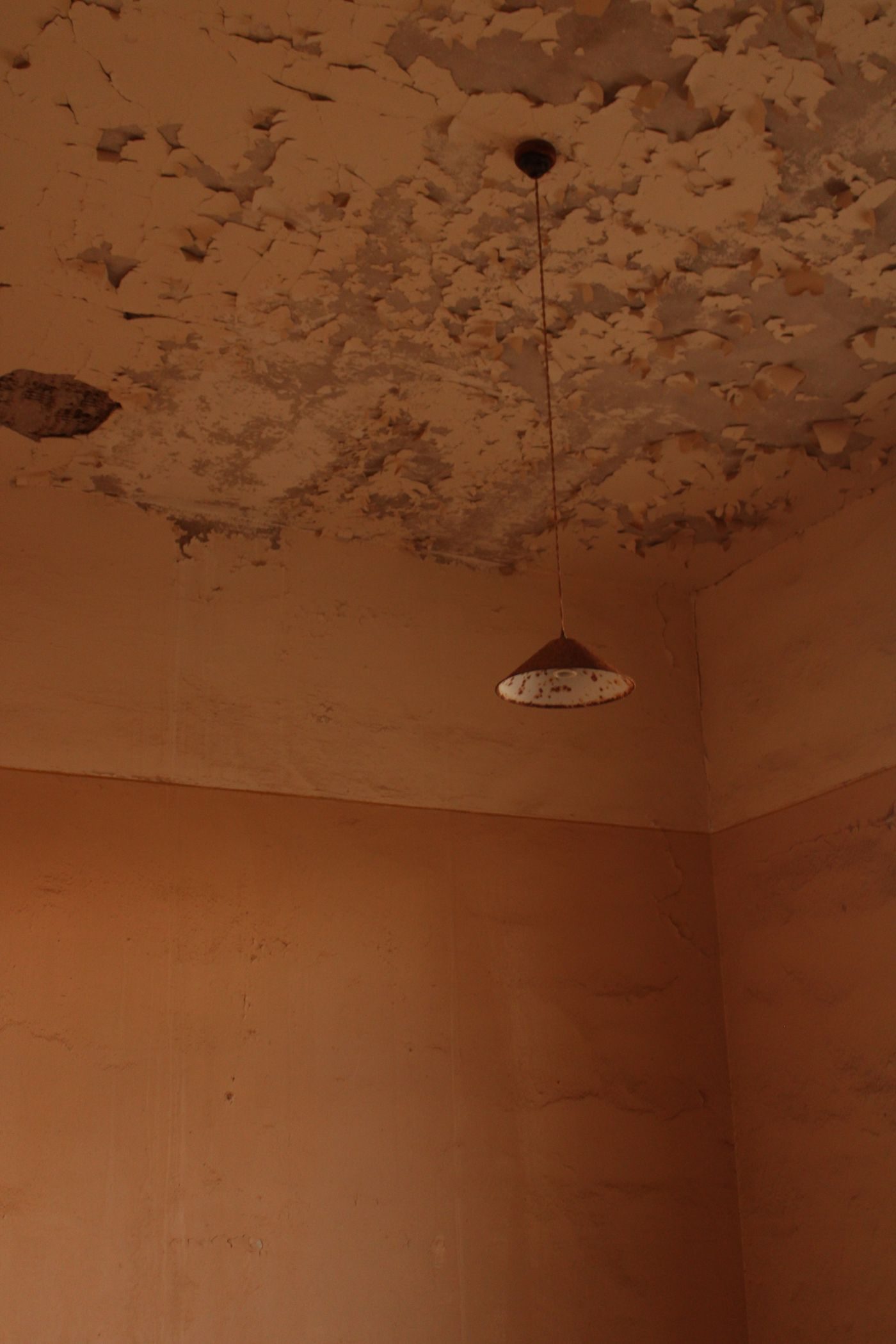
A leak from upstairs is stressful on its own. When the water reaches your lights or sockets, you also have a safety problem and a question about who deals with what. This guide covers both. It is general information about how London blocks usually work, not legal advice. Your lease is what decides responsibility in the end.
For testing and making safe after water damage, see our electrics after a leak or flood page.
Make it safe first
Sorting out who pays can wait. Safety cannot.
- Keep away from wet fittings, switches and sockets.
- Switch off the main switch at your consumer unit, but only if you can reach it without standing in water and it is not wet itself.
- Go upstairs and ask your neighbour to turn off their stop tap. If they are out, call your managing agent or freeholder’s emergency line.
- Move plugged in items away from the water, but only after the power is off.
- Take photos and short videos of the water, the ceiling and the fittings.
Electrical Safety First’s flood advice applies to leaks too: avoid mains appliances until a registered electrician says they are safe, and keep away from any exposed wiring. Our guide on water leaking through a light fitting covers the first few minutes in more detail.
Who usually owns which part
In most London blocks, the electrics split into four parts. Check your lease, because some leases draw the lines differently.
| Part | Usually looked after by | Examples |
|---|---|---|
| Supply cable and main fuse (the cutout) | The network operator (UK Power Networks across most of London, SSEN in Ealing and Hounslow) | The sealed black or grey box your meter tails come out of |
| Meter | Your electricity supplier | The meter, smart or not |
| Wiring inside your flat, from your meter onwards | You, as the leaseholder or owner | Your consumer unit, sockets, lights, cables in your floors and ceilings |
| Communal electrics | The freeholder or managing agent | Landlord supply, hallway and stair lights, door entry, fire alarm panel |
In blocks, the cables that run up through the building to each flat are called rising and lateral mains. Who owns them varies. In newer blocks, UK Power Networks’ guidance says a building network operator installs and keeps them. In older blocks they may belong to the network operator or the building owner. If the fault is before your meter, it is not yours to fix. Call 105 or your managing agent.
Who pays for the repair
This is where leases and insurance come in. A few common patterns:
- The building has a buildings insurance policy. Many London blocks do, paid through the service charge. Escape of water from another flat is often covered, with an excess. Tell the buildings insurer and the managing agent.
- The leak came from a neighbour’s appliance or pipe. Their insurer, or they, may be liable if they were at fault. That is something for the insurers to settle.
- You rent your flat. Tell your landlord or letting agent straight away. Under the electrical safety rules for rented homes, your landlord is responsible for keeping the electrical installation safe.
Whatever applies, the electrician’s written report matters. It should say what was found, what was tested and what was replaced. Insurers and managing agents usually ask for it.
Why the circuit needs testing before it goes back on
Water does not just sit on the surface. It soaks into ceiling insulation, junction boxes and the back of fittings. A circuit can seem fine the next morning and then trip, or worse, days later as moisture moves.
An electrician will isolate the wet circuits and carry out an insulation resistance test. That test shows whether current can leak out of the cables. If it fails, the circuit stays off until it has dried and passes. Spotlights and LED drivers often need replacing. Simple pendants may be reusable once dry.
Barnet blocks and mansion flats
Barnet has a big mix of flat types. The VOA’s housing stock figures show that 50% of homes in Barnet are flats or maisonettes, and 34% of all homes were built between 1919 and 1939. You find interwar mansion blocks in Finchley and Golders Green, converted Edwardian houses in Hendon and East Finchley, and newer blocks near the town centres.
In an older mansion block, the riser cupboards, meter positions and communal wiring can date from several different decades. A leak in one flat can run down a riser and affect meters or communal lights on lower floors. If you live in Barnet and water has reached the meter cupboard in the hall, report it to the managing agent and call 105. Do not open the cupboard and try to dry it out.
Questions to ask your electrician
- Which circuits were affected and which are safe to use?
- Did the insulation test pass, and what readings did you get?
- Do any fittings or sockets need replacing?
- Should the circuit be retested once it has fully dried?
- Will you give me a written report for my insurer?
Next step
Once the leak has stopped, the most useful thing you can do is get the circuits tested and written up. Request a visit through our leak and flood electrics service. The price is confirmed after a look at the job.
Quick questions
My neighbour's leak damaged my electrics. Do they have to pay?
It depends on the cause, your lease and both insurance policies. Many blocks have a buildings policy that covers escape of water. Tell your buildings insurer and your managing agent straight away, and keep photos and the electrician's report.
Can the managing agent send their own electrician into my flat?
They may arrange one, especially if communal wiring is affected. For the wiring inside your flat, check your lease and talk to your insurer. You can also ask your own electrician to test it.
The hallway lights went off too. Is that my problem?
Communal lights are normally on the landlord supply, which the freeholder or managing agent looks after. Report it to them. Our guide on communal supplies explains the difference.
Last updated 23 October 2026. Written for homes in London. Rules can change, so check the linked sources for the latest position.