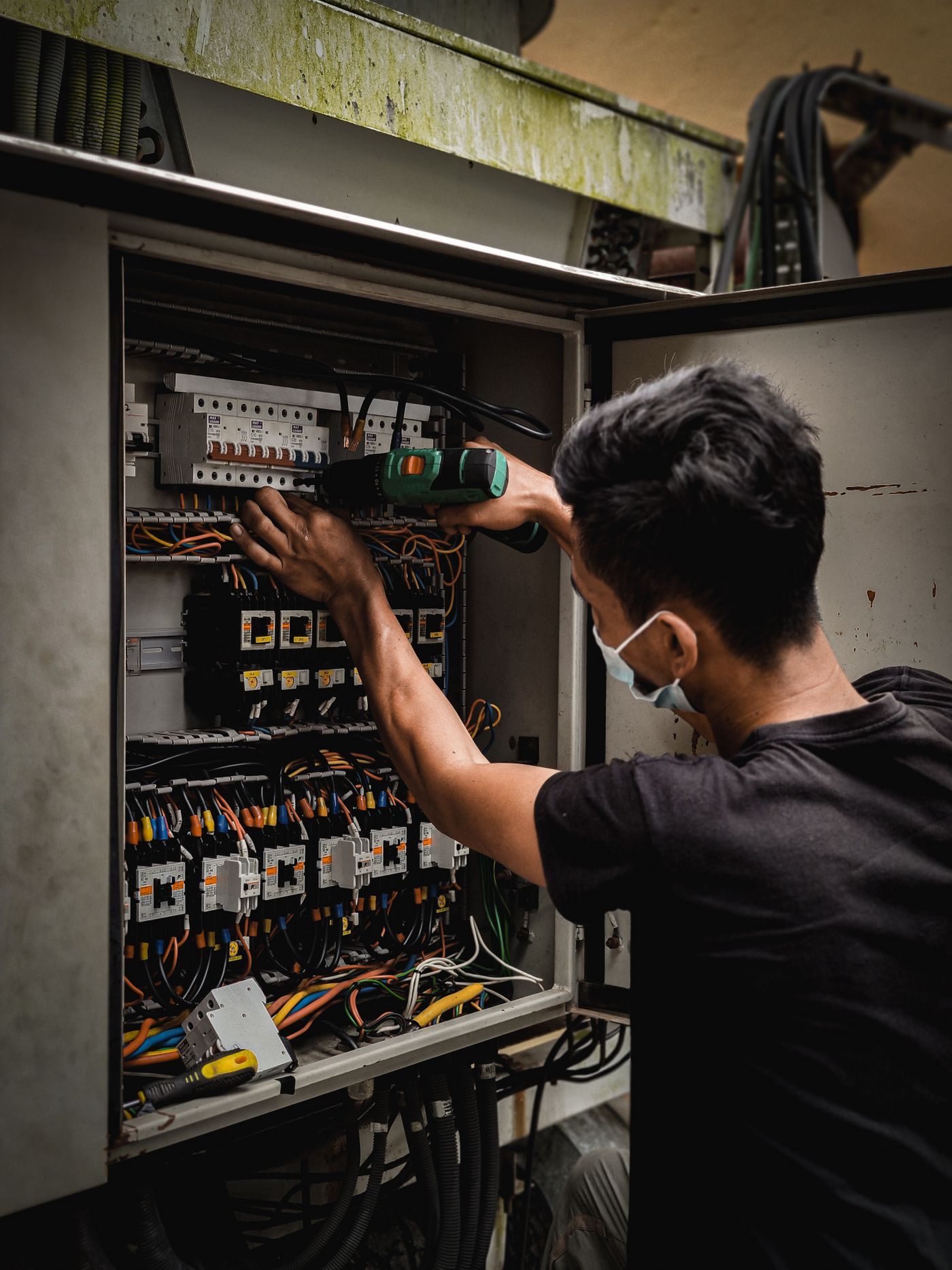
For one emergency electrician in London

Own emergencyelectriciansinlondon.co.uk and this website

  • The domain emergencyelectriciansinlondon.co.uk
  • A search report: what people in London type for this trade each month
  • This website, with your own job photos in place of ours
  • Your Google Business Profile set up
  • 2 weeks of Google Ads management free (you only pay Google for the clicks)

Message Matthew at BetterWays, who own the domain.

See the search report for London

Get help now
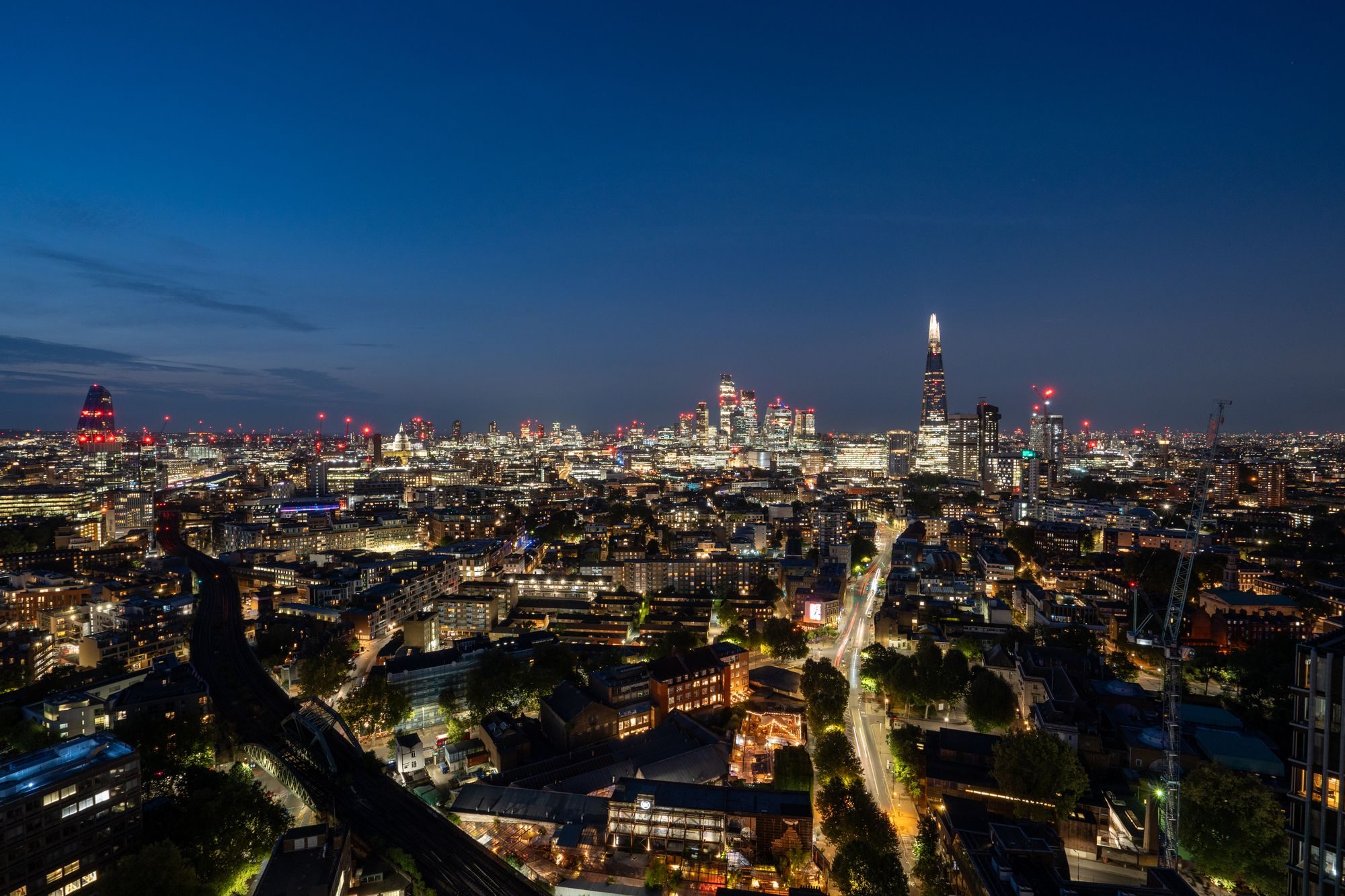
London at night from above, the Shard and City towers lit up over dark streets

Emergency electricians across Greater London

Emergency electrician in London for power loss, tripping and burning smells

Tell us what has happened and we will help you work out if it is safe to wait, then get an electrician to make it safe and find the fault.

Is it an emergency?

Tap what is happening. You will see what to do right now, then send it through.

  1. 01Right now
  2. 02Your home
  3. 03Call back
Step 1

Right now

What is happening right now?

Before you call

For an electrical emergency in London, first check it is not a power cut: if your neighbours are off too, call 105 to reach your network operator. If only your home is affected, or you can smell burning, see sparks or have water near electrics, switch off at the main switch if it is safe and call an emergency electrician.

What an emergency electrician does in a London home

Most emergency calls fall into a few types. The power has gone in all or part of the home, the electrics keep tripping and will not reset, a socket or the fuse box smells hot, or water has come through a ceiling into a light fitting. The first job is always to make the installation safe. Finding and fixing the cause comes second.

London housing makes this work varied. 29% of homes in the capital were built before 1919 and 57% are flats, according to the Valuation Office Agency. That means old wiring that has been altered many times, Victorian houses split into flats with their own meters, and blocks where the supply comes up a shared riser. Knowing which part belongs to you, the freeholder or the network operator saves time when the lights go out.

Old houses, many rewires

In Wandsworth 43% of homes and in Hackney 35% were built before 1919. Most have been rewired at least once, often in stages, so a fault can sit where old and newer cable meet under a floor.

Rubber cable in unmodernised homes

Electrical Safety First says black rubber insulated cable was phased out in the 1960s. In homes that have never had a full rewire it still turns up, and once the rubber crumbles it can cause tripping, heat and shocks.

Flats, risers and landlord supplies

57% of London homes are flats. In a block, power for the hall lights and door entry runs on a separate landlord supply, and the cables up the building may belong to the network operator or the building owner, not to you.

Two network operators, one number

Most of London is supplied by UK Power Networks, but Ealing, Hounslow and Hillingdon are served by SSEN. Dial 105 from anywhere and you are put through to the right one for your postcode.

Faults we fix

Power off, tripping, burning smells. Made safe, then found.

Every one starts the same way: make the electrics safe, then trace the cause.

01

Emergency electrician

Burning smells, sparks, water in fittings or no power that is not a network cut. Made safe first, then the fault found.

  • You can smell hot plastic or burning near a socket, switch or the consumer unit
  • A socket or plug sparked, crackled or has scorch marks
  • Water is coming through a ceiling near a light or onto sockets
What to do

02

Power cut or no power

Lights out? We help you rule out a network cut with 105 first, then find what has tripped inside your home.

  • Everything in the home went off at once
  • Half the house has power and the other half does not
  • A switch on the consumer unit has dropped and will not stay up
What to do

03

Electrics keep tripping

Trip switch will not stay up? We trace whether it is an appliance, damp in a fitting or a fault in the wiring.

  • The RCD drops at random, often at night or when it rains
  • A breaker trips when the kettle, oven or shower goes on
  • It trips again straight away with everything unplugged
What to do

04

Fuse board replacement

Old wire fuses or a board that trips? A new consumer unit to the current wiring rules, tested and certified.

  • Your fuse box has wire fuses that you replace by hand
  • There is no RCD protection, or only on some circuits
  • The board has a wooden back, a cracked case or scorch marks
What to do

How a job runs

How an emergency job runs

The same four steps whether the whole flat is dark or one socket smells hot.

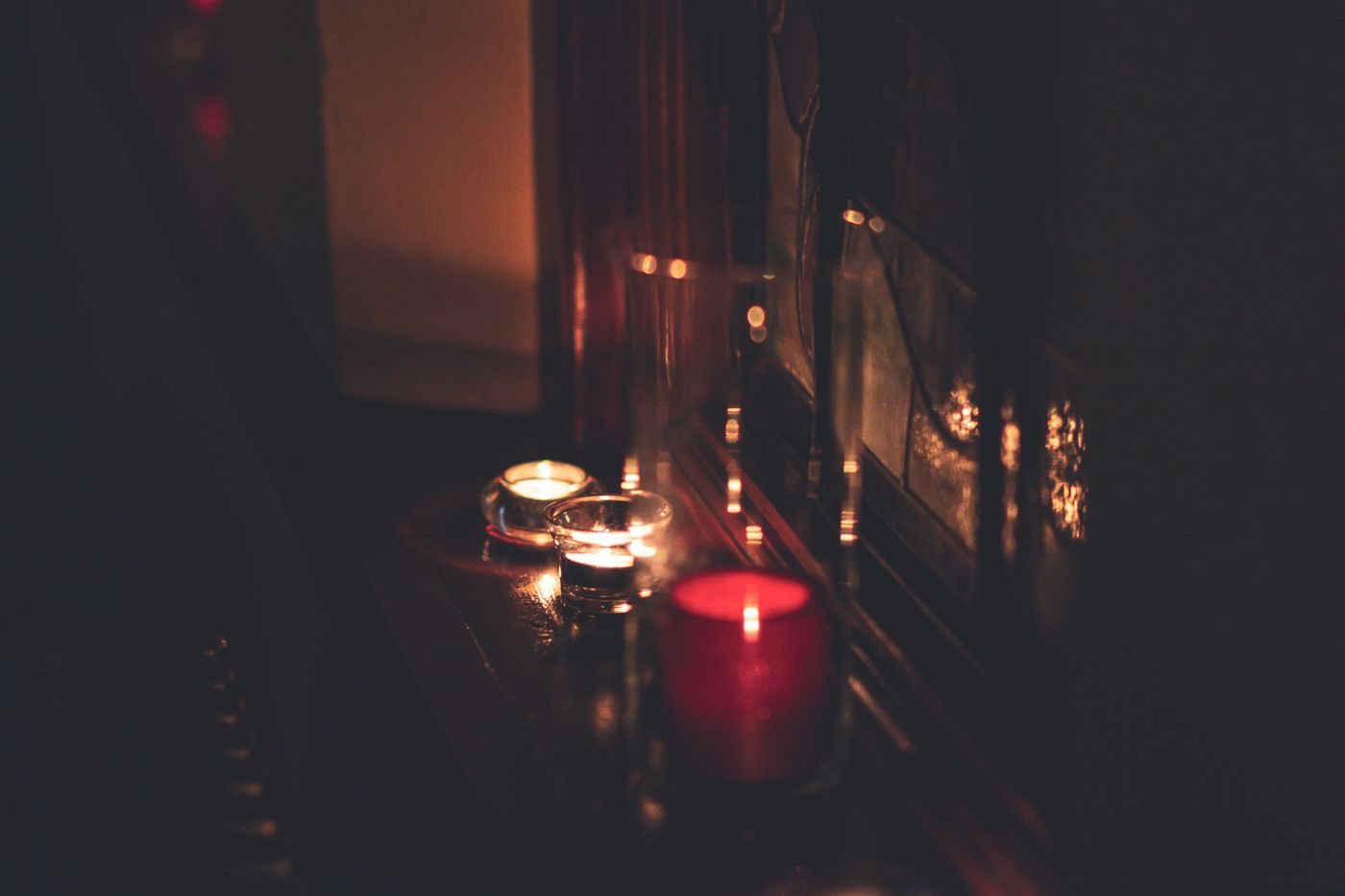
  1. Dark room lit only by candles during a power cut Step 1

    You tell us what is happening

    Use the quick questions on this page. We ask whether anyone is hurt, whether you can smell burning, and whether your neighbours have power, so we can tell you what to do while you wait.

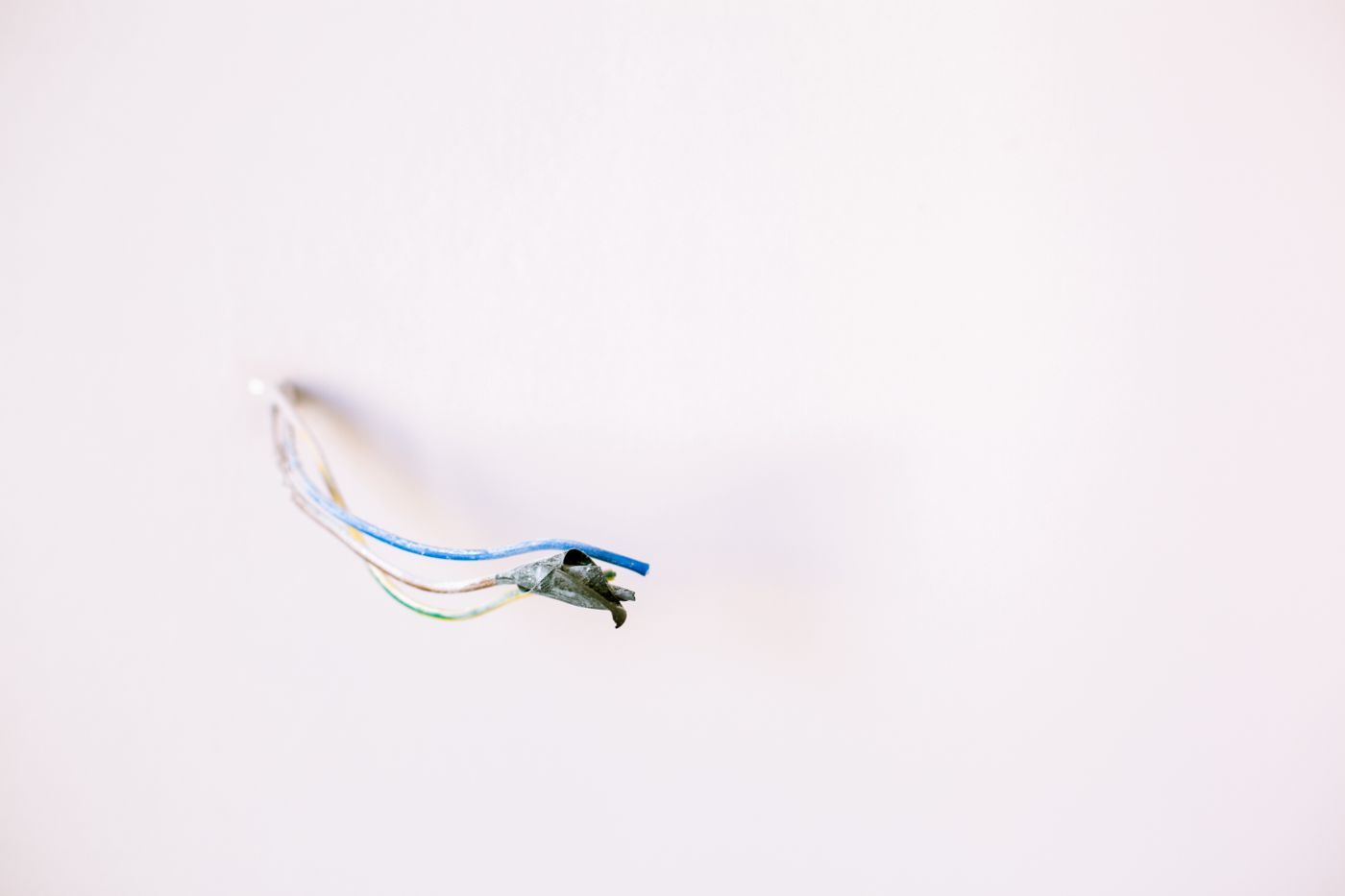
  2. Loose cable ends left safe and isolated coming out of a white wall Step 2

    Make safe on arrival

    The electrician isolates the faulty circuit, checks nothing is overheating and, where possible, gets the rest of the home back on so you have lights, heating controls and a fridge.

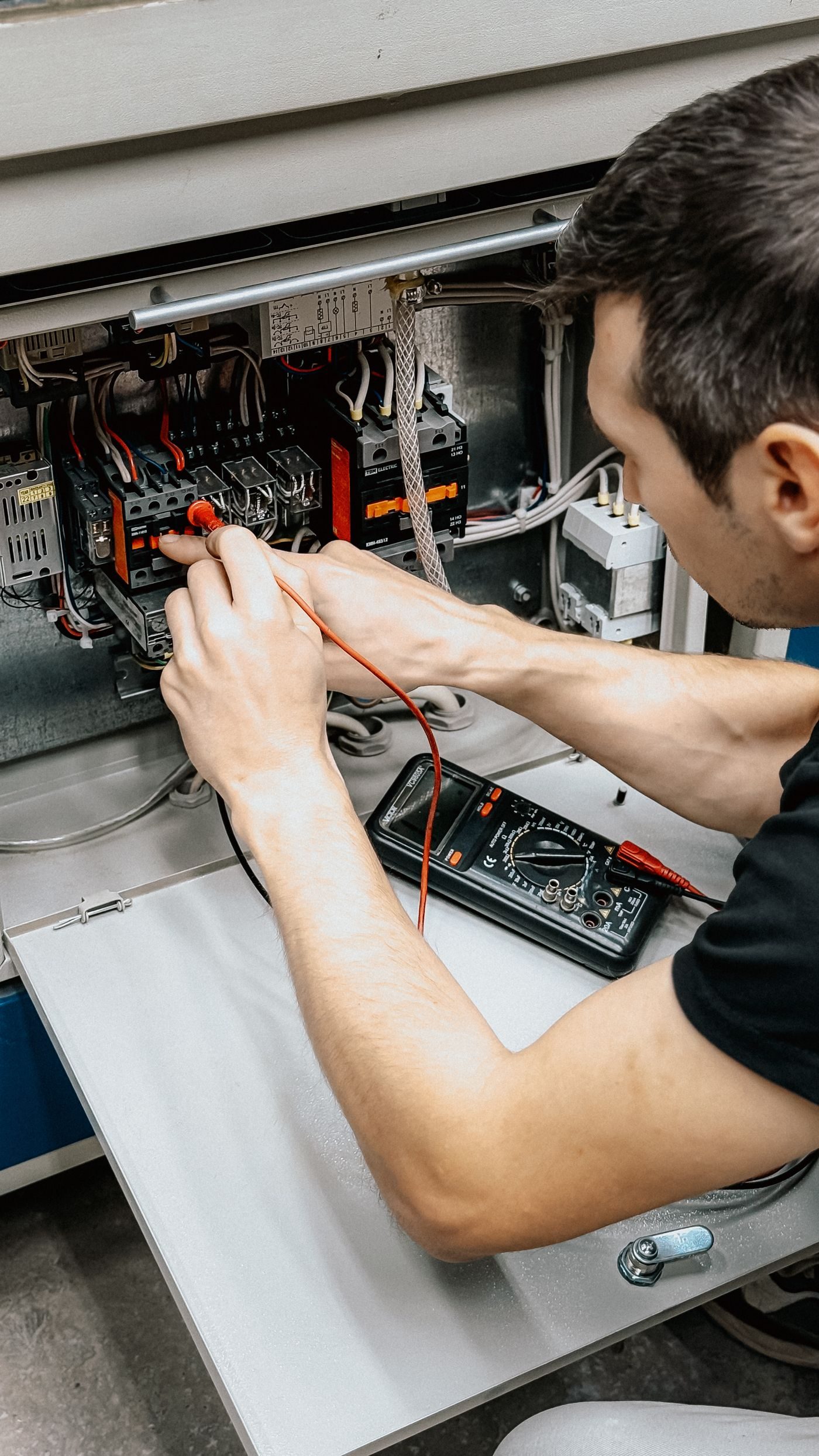
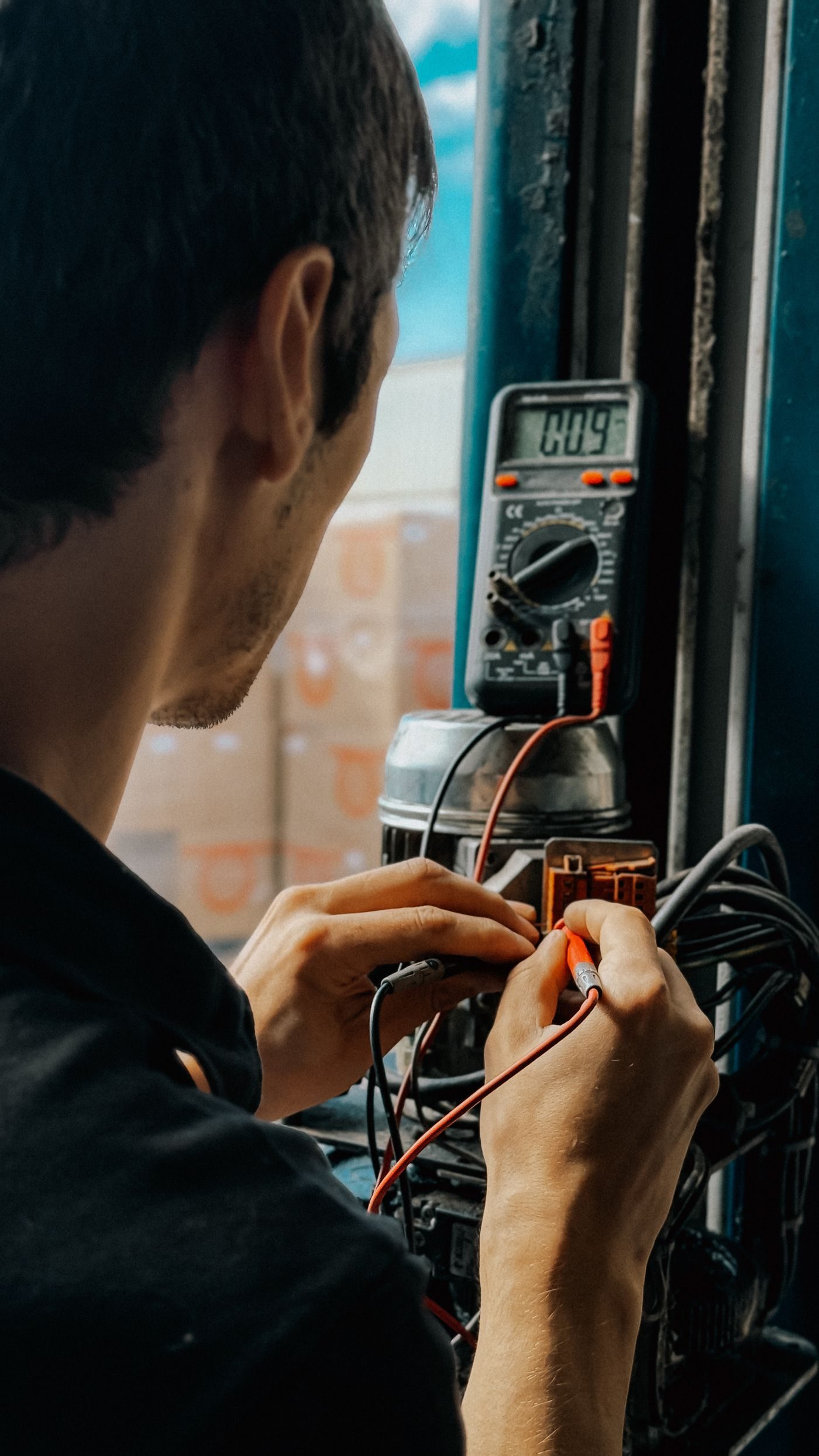
  3. Electrician testing circuits with a multimeter and test leads Step 3

    Find the fault

    Testing narrows the problem down to a circuit, then to a socket, joint, appliance or cable. You are told what was found and what it will take to repair before any repair work starts.

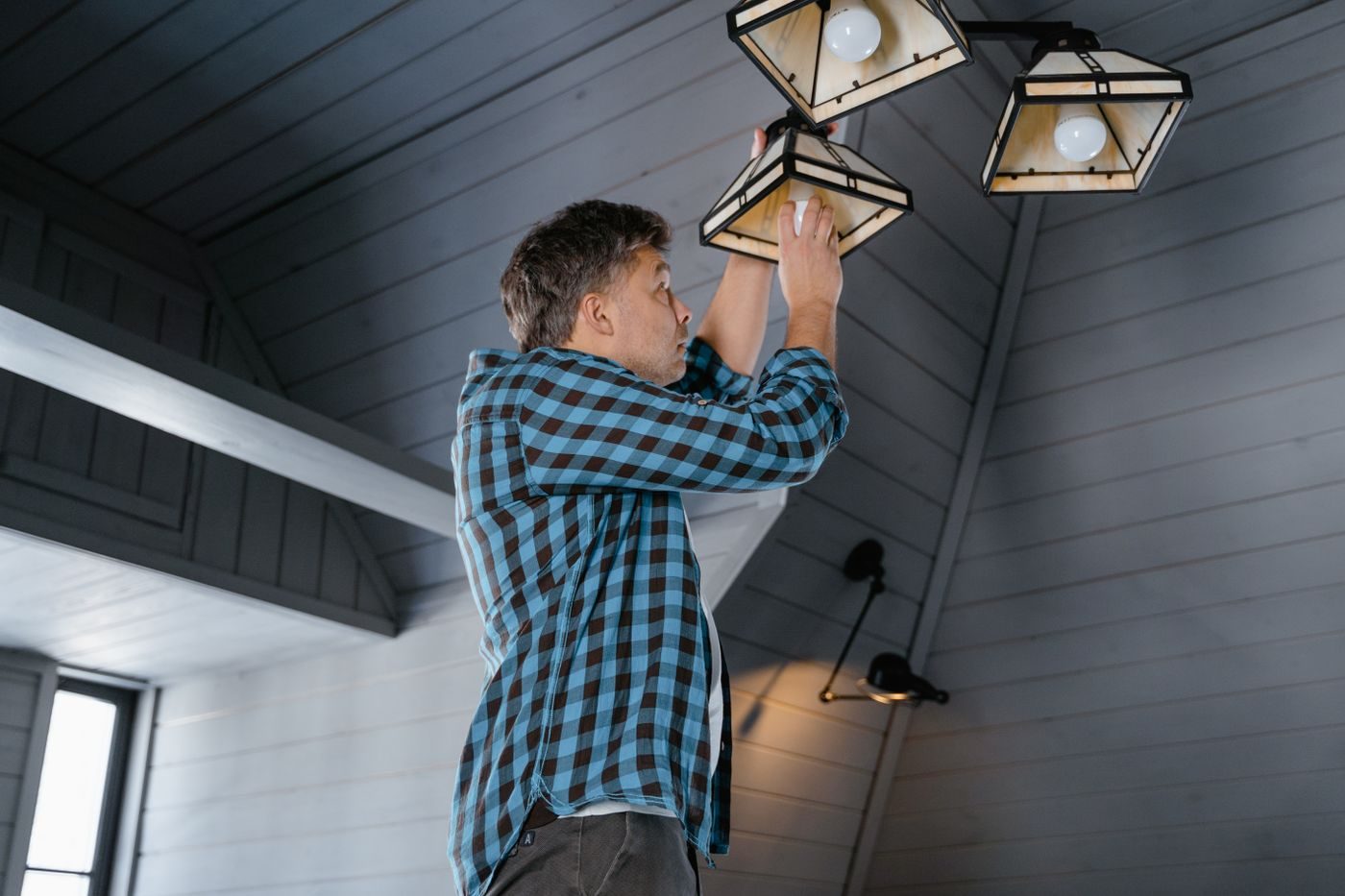
  4. Electrician side-on fitting bulbs into a ceiling light in a home Step 4

    Repair, test and paperwork

    Once the repair is done the circuit is tested. If the work is notifiable under Part P, such as a new consumer unit, you get the certificate and the building regulations notice that go with it.

Safety first

What to do right now

Someone has had a shock

If someone has had an electric shock, do not touch them while they may still be in contact with the supply. Switch off at the consumer unit or pull the plug if you can do it safely, then call 999.

Burning smell, smoke or sparks

If you can smell burning or see smoke or sparks, switch off at the main switch on the consumer unit if it is safe to reach. If there is fire, get everyone out and call 999.

Water near electrics

If water is near electrics, keep away from wet sockets and fittings. Only switch off at the consumer unit if you can reach it without standing in water.

The power has gone

If the power has gone, check whether your neighbours and street lights are off too. If they are, call 105 or check the UK Power Networks power cut map. In Ealing and Hounslow 105 puts you through to SSEN.

A switch has tripped

If only your home is off and a switch on the consumer unit has dropped, unplug everything on that circuit and try to reset it once. If it trips again straight away, leave it off and call an electrician.

While you wait

Do not take the cover off the consumer unit or touch any exposed wiring.

Areas

Areas we cover across London

We have pages for twelve boroughs and towns, from Romford and Bromley in the outer ring to Hackney and Wandsworth closer in.

Questions

Questions people ask first

Power cut or fault, who owns what in a flat, and what the rules say about landlords and fuse boards.

How do I know if it is a power cut or a fault in my house?

Look out of the window and ask a neighbour. If the street is dark, check the UK Power Networks power cut map or call 105. If only your home is off, look at your consumer unit for a switch in the down position, which points to a fault inside the property.

What counts as an electrical emergency?

Anything that puts people at risk: a burning smell, smoke, sparking, a hot socket or switch, water near electrics, a shock from a tap or appliance, or exposed wires. Losing all power in winter or with someone vulnerable at home is also urgent. A single dead socket can usually wait.

Why do my electrics keep tripping?

A trip switch does its job when it detects a fault. The usual causes are a faulty appliance, water in an outside light or socket, a damaged cable or a circuit carrying too much load. If it trips again with everything unplugged, the fault is in the fixed wiring and needs testing.

Who is responsible for the electrics in a flat?

It depends on your lease. As a general rule the flat owner looks after wiring from their own meter onwards, the freeholder or managing agent looks after communal lighting and the landlord supply, and the network operator owns the supply cable and main fuse. Check your lease if you are unsure.

Do landlords in London need an EICR?

Yes. Under the Electrical Safety Standards in the Private Rented Sector (England) Regulations 2020, landlords must have the electrics inspected and tested at least every 5 years and give tenants a copy. Since 2025 the rules also cover social housing.

Does a new consumer unit need to be certified?

Yes. Replacing a consumer unit is notifiable work under Part P of the Building Regulations in England. It must be done by an electrician registered with a competent person scheme, who self certifies, or the council's building control must be told before work starts.

What should I do if water is coming through a light fitting?

Do not touch the fitting or the switch. If you can reach the consumer unit without standing in water, switch off the main switch. Stop the leak at its source if you can, then have the circuit tested before it is turned back on.

How much does an emergency electrician cost in London?

The price depends on the time of day, how long it takes to find the fault and what parts are needed. We confirm the price after a look at the job and tell you before any repair work starts.

London at night from above, the Shard and City towers lit up over dark streets

Get help

Power off, tripping or a smell of burning?

Answer three quick questions and we will tell you what to do now and get an electrician to you.

Start the safety questions

Send the details

Name, mobile and postcode. A short note helps.

or send it by